


What is the best wood for carving?
Introduction
Have you ever tried carving wood and felt frustrated right away? The knife feels dull, the wood resists every cut, and nothing looks the way you imagined. Many people think carving is hard but it is because they lack skill. In reality, the wood choice often causes the problem. The right wood feels smooth and cooperative. The wrong wood makes carving nearly impossible. In this guide, we will talk about the best wood for carving and how to choose one that fits your project and tools.
What makes a good type of wood for carving?
Good carving wood shares a few simple qualities. These qualities make carving safer, easier, and more enjoyable. When you understand them, choosing wood becomes much simpler.
- Grain consistency matters a lot. Wood with straight, even grain is easier to cut smoothly and predictably. Tools glide rather than catch or tear, and mistakes are less likely. Twisted or irregular grain makes carving unpredictable, and it can be hard to control tools.
- Hardness affects how much effort carving takes. Softer wood is easier to shape, while harder wood requires more strength and sharper tools. Beginners learn faster with soft wood before moving on to harder varieties.
- Density describes how heavy and compact the wood feels. Lighter wood is easier to hold and control. Very dense wood can tire your hands quickly, especially in long sessions.
- Tool response shows how wood reacts to knives and chisels. Good carving wood responds cleanly to each cut. Bad wood may chip, splinter, or break unexpectedly.
- Availability and cost also matter. The best wood to carve should be easy to find and affordable. You do not need rare or expensive wood to enjoy carving.
How to choose the right wood for your carving projects
Choosing carving wood becomes easier when you think about your own situation. Different projects and skill levels need different wood types.
- Skill level: If you are a beginner, soft wood is best because mistakes are easy to correct and fix. Experienced carvers can handle harder and more demanding wood.
- Type of carving: Whittling, relief carving, sculpture, and decorative carving all place different demands on wood. Match wood to your type of carving project.
- Tool type: If you use hand tools, choose softer wood types. But if you use power tools, you can manage even hard woods more safely. Always opt for what works for your project.
- Desired detail level: Carvings with finer details require smooth, even-grained wood. Pick wood depending on the complexity or simplicity of the details on your sculptures.
- Budget and availability: Choose wood whose cost is within your set budget. It should also be easy to order online or buy locally.
10 Types of wood used for carving
There is no single best wood for everyone. Each type of wood has strengths and limits. Knowing how each wood works helps you choose the best wood to carve based on your project goals.
a. Beginner-friendly woods (Soft, forgiving, easy to learn)
1. Basswood - Best for beginner carvers
Basswood is one of the most popular woods for carving, especially for beginners. It has a smooth, even grain that makes cuts easy to predict and control. The wood is soft, so tools glide through it without much force. It forgives small mistakes and rarely splits. Basswood works well for whittling, figures, and basic decorative projects.
Advantages
- Very easy to carve, making it ideal for beginners learning basic cuts and shapes.
- Responds smoothly to hand tools, helping carvers understand how knives and chisels work.
- Holds enough detail for faces, patterns, and small decorative carvings.
- Affordable and easy to find in carving blocks and boards.
- Paints and finishes apply evenly, making it great for colorful figurines.
Downsides
- Dents and scratches easily, so finished pieces need careful handling.
- Not strong enough for functional or load-bearing items.
- Light color can look plain if left unfinished.
2. Balsa - Best for practice and lightweight projects
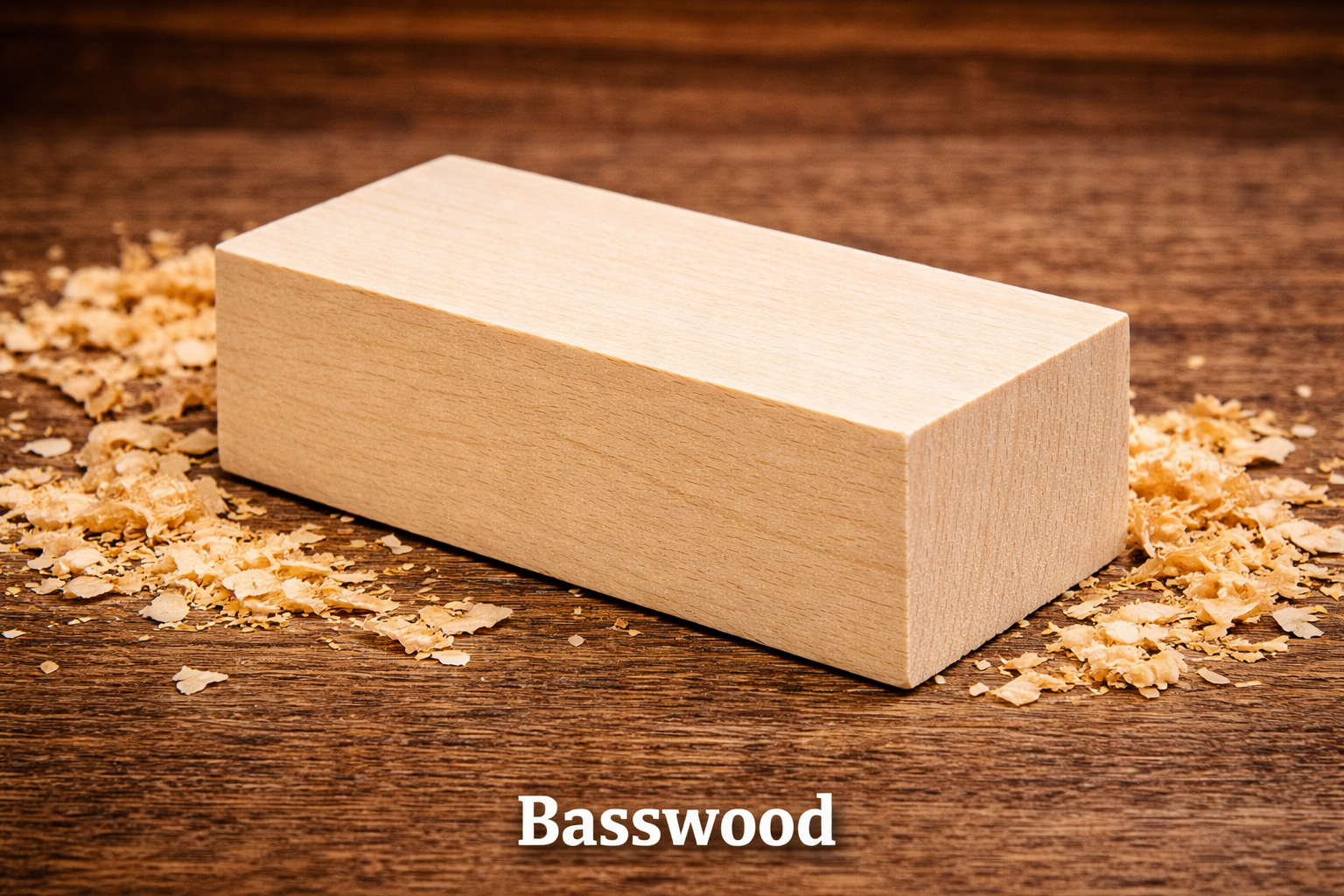
Balsa is an extremely soft and lightweight wood that is easy to carve with very little effort. It is often used for practice, models, and learning tool control. Because the grain is open and weak, it does not support fine detail well. Balsa is best used for temporary projects or early learning stages rather than finished gifts.
Advantages
- Requires very little pressure, making carving feel safe and easy for beginners.
- Very light weight, which reduces hand fatigue during long practice sessions.
- Low cost allows repeated practice without worrying about waste.
- Widely available in craft and hobby stores.
- Helps beginners focus on technique rather than resistance.
Downsides
- Very fragile and easy to break or dent.
- Fine details collapse or wear down quickly.
- Not suitable for keepsakes or long-lasting carvings.
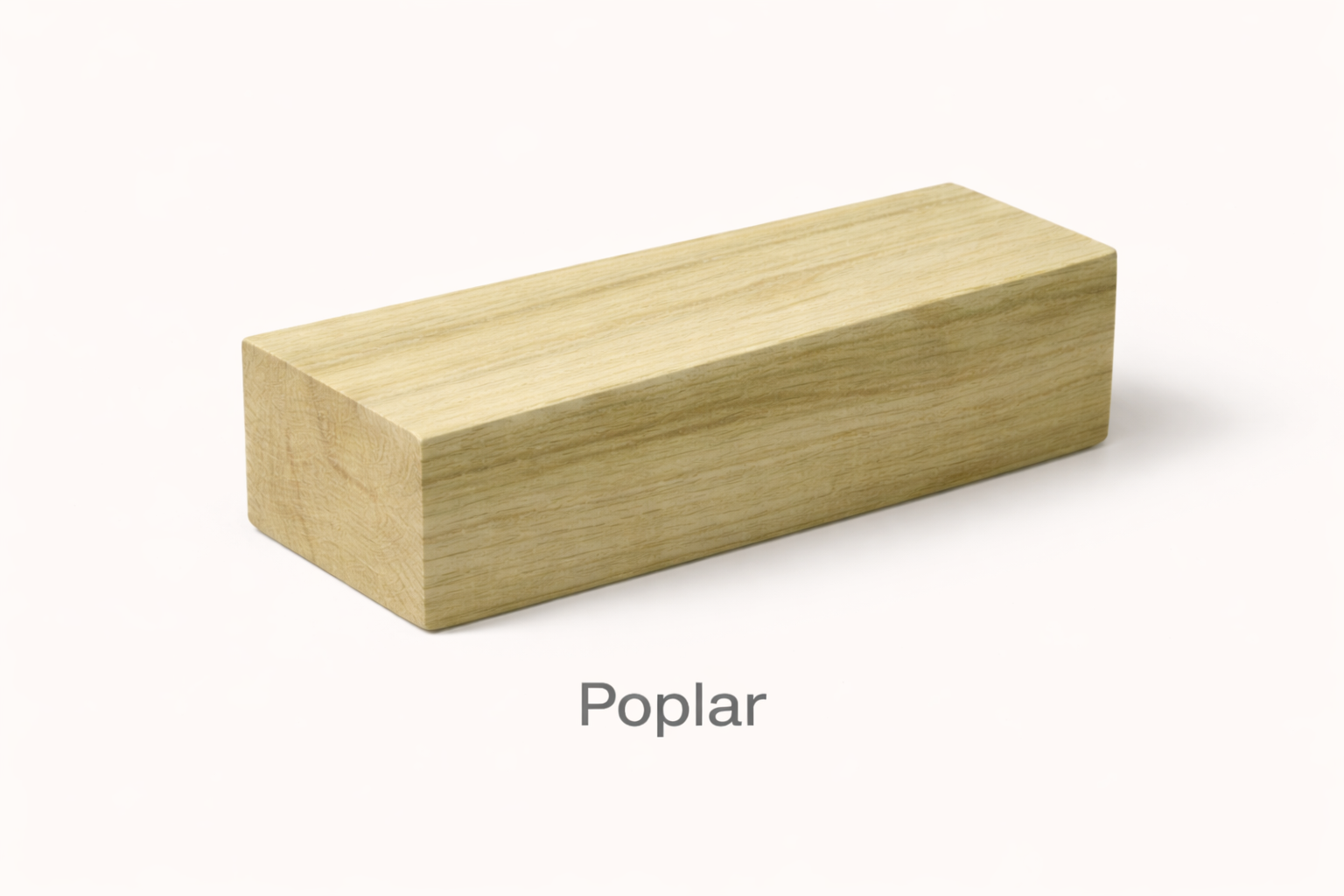
3. Poplar - Best affordable hardwood for detail.
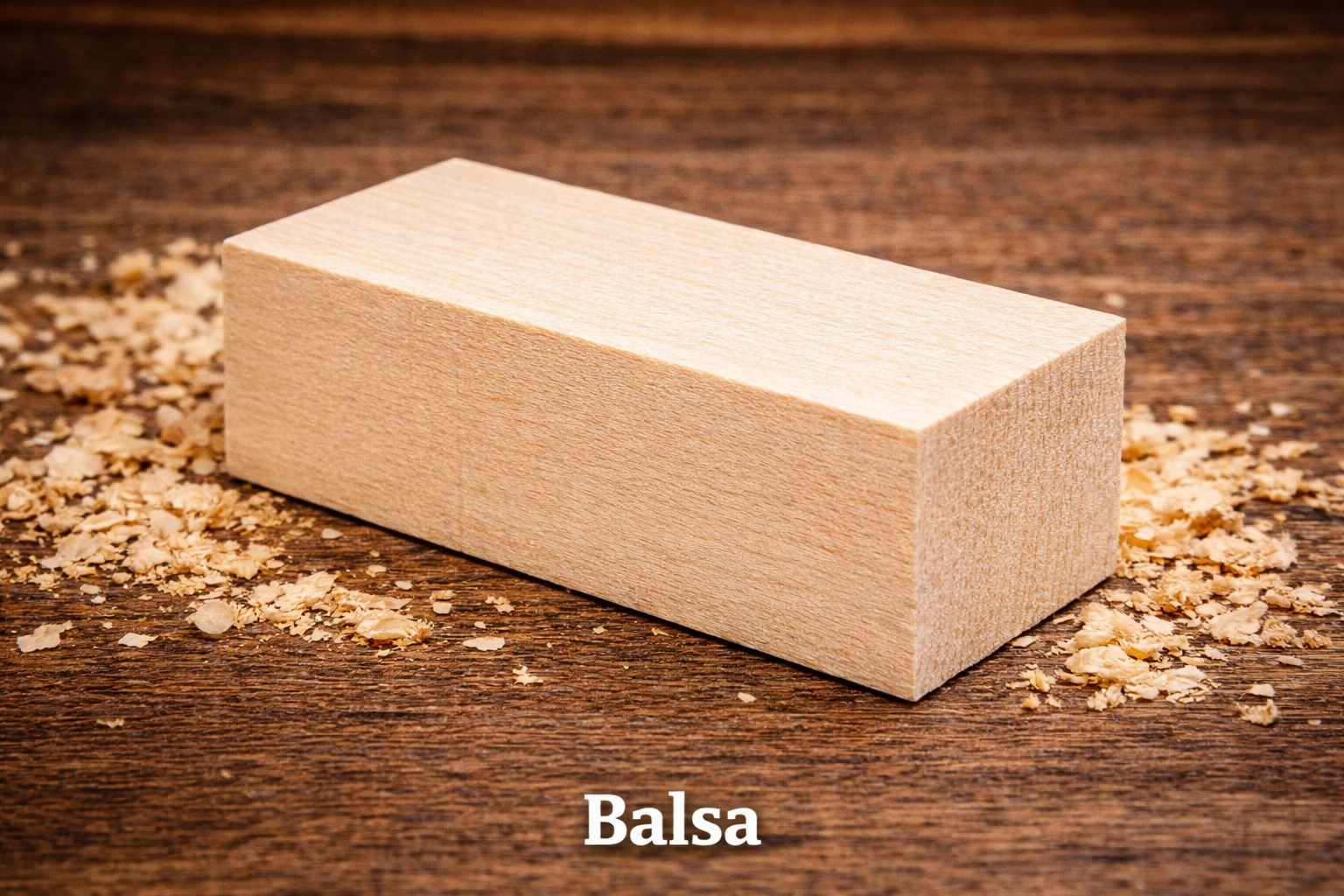
Poplar is a soft hardwood that offers more strength than basswood while still being beginner-friendly. It has a mostly straight grain that allows controlled carving with sharp tools. Poplar is often used for painted carvings because of its neutral color. It is a good step up for beginners who want stronger finished pieces.
Advantages
- Stronger than softwoods, making carvings feel more solid and durable.
- Grain is predictable, which helps maintain control while carving.
- Works very well with paint and decorative finishes.
- Affordable hardwood that is easy to find locally.
- Helps beginners transition toward harder woods.
Downsides
- Harder than basswood, requiring sharper tools and more control.
- Grain variations can cause uneven cutting in some areas.
- Fine details take more patience to achieve cleanly.
b. Intermediate woods (More detail, more resistance)
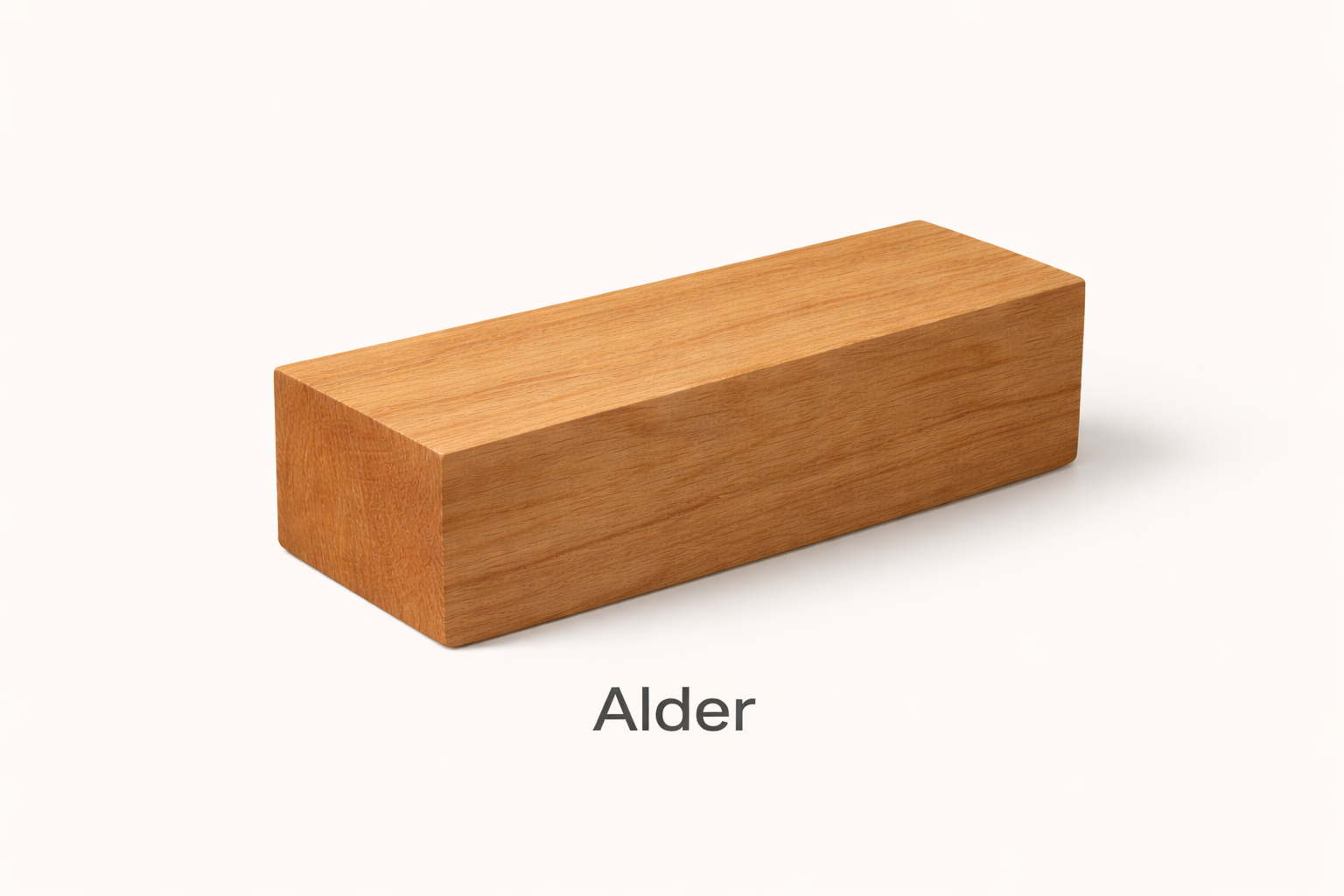
4. Alder - Best for smooth detail with slight firmness
Alder is a balanced wood that sits between soft beginner woods and harder hardwoods. It carves smoothly and predictably, with a fine and even grain. The wood offers gentle resistance, which helps carvers improve control. Alder works well for decorative carvings, furniture accents, and moderate relief projects.
Advantages
- Smooth, even grain allows clean cuts with minimal tear-out.
- Firmness helps develop better carving control.
- Holds more detail than softwoods without being overly hard.
- Comfortable weight for longer carving sessions.
- Finished pieces feel balanced and sturdy.
Downsides
- Harder than beginner woods, which may challenge new carvers.
- Mistakes are harder to fix once material is removed.
- Availability can be limited in some areas.
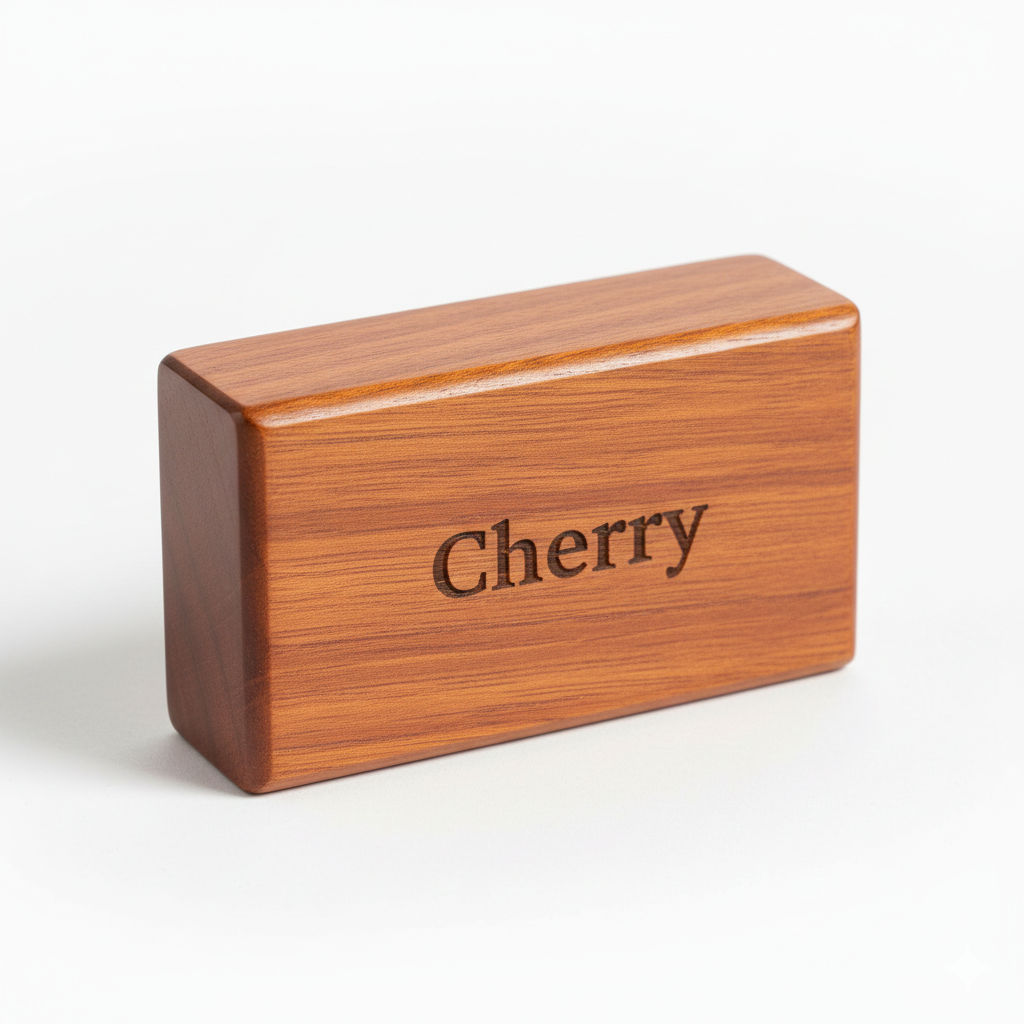
5. Cherry - Best for fine detail and elegant finishes
Cherry is a premium hardwood known for its smooth grain and warm color. It supports fine detail and clean edges, making it ideal for heirloom and decorative carvings. Cherry darkens naturally over time, adding beauty to finished pieces. It requires sharp tools and patience, but the results are often stunning.
Advantages
- Holds fine details and clean lines very well.
- Develops a rich, natural color as it ages.
- Sands and finishes smoothly for a professional look.
- Stable wood that resists warping over time.
- Ideal for keepsakes and long-lasting gifts.
Downsides
- Harder to carve than beginner woods.
- Mistakes are difficult to correct.
- More expensive than softwoods.
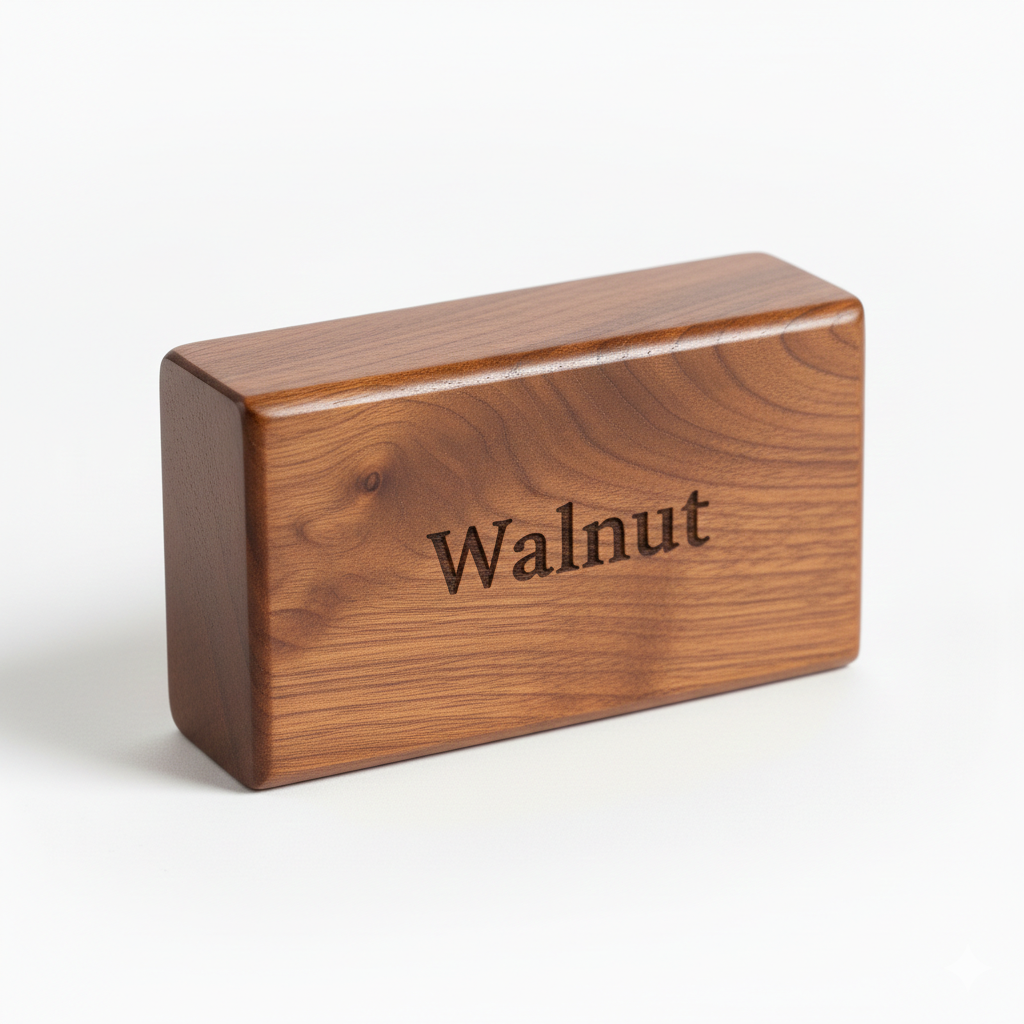
6. Walnut - Best for premium decorative carving
Walnut is a dark hardwood valued for its rich color and depth. It is often used for high-end and professional carvings. The fine grain supports clean detail and deep relief work. Walnut adds natural contrast to carvings, making shapes and shadows stand out clearly.
Advantages
- Rich natural color enhances carved depth and detail.
- Supports layered and deep relief carving.
- Finished pieces feel strong and professional.
- Ages beautifully with proper finishing.
- Popular choice for premium decorative work.
Downsides
- More expensive than beginner woods.
- Dulls tools faster than softer woods.
- Not forgiving of technical mistakes.
c. Hard and professional woods (Strong, durable, challenging)
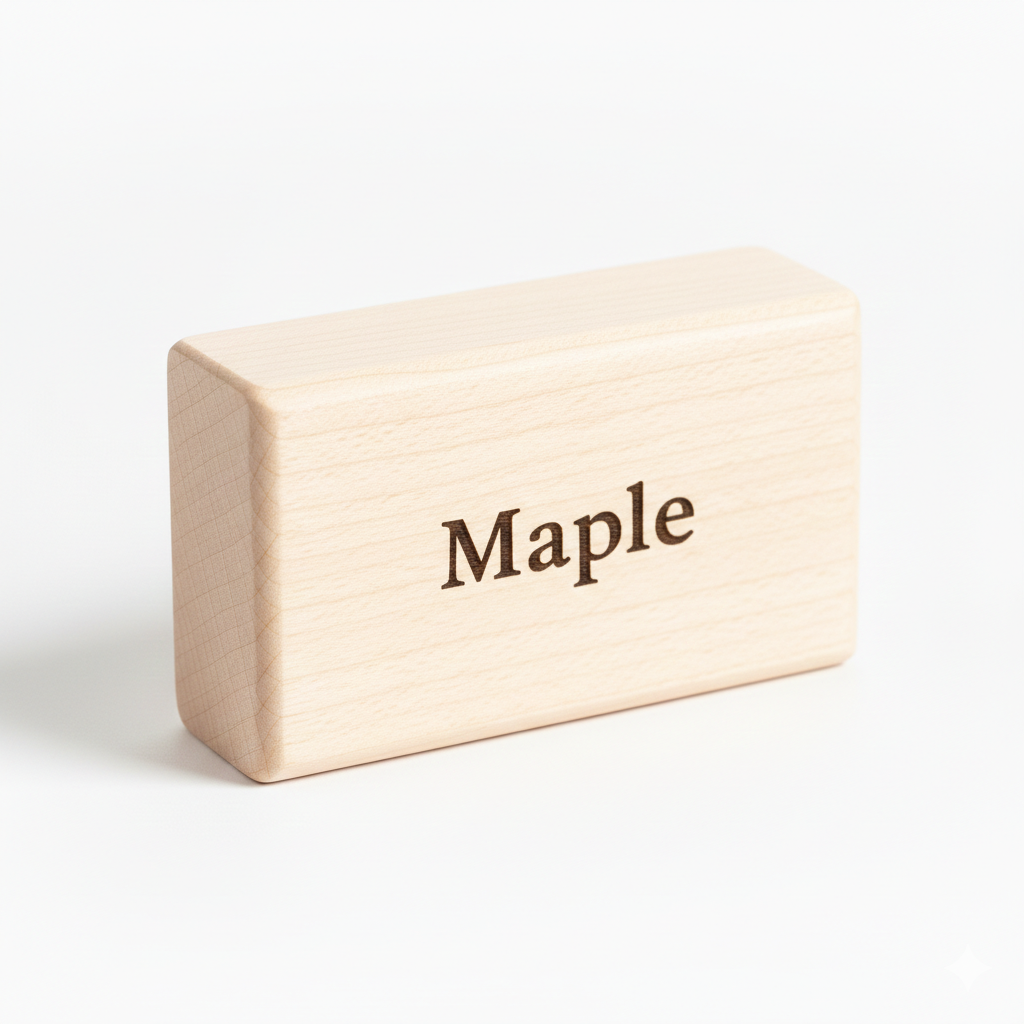
7. Maple - Best for sharp detail with power tools
Maple is a dense and hard wood favored by experienced carvers. It allows very sharp edges and precise shapes when tools are properly maintained. The pale color makes shadows and details stand out clearly. Maple is best suited for power tools or skilled hand carving.
Advantages
- Extremely durable and resistant to wear.
- Holds sharp edges and fine detail very well.
- Finished pieces look clean and professional.
- Ideal for precision and mechanical-style carvings.
- Long-lasting material for display-quality work.
Downsides
- Very hard to carve by hand.
- Dulls tools quickly.
- Mistakes are difficult to fix.
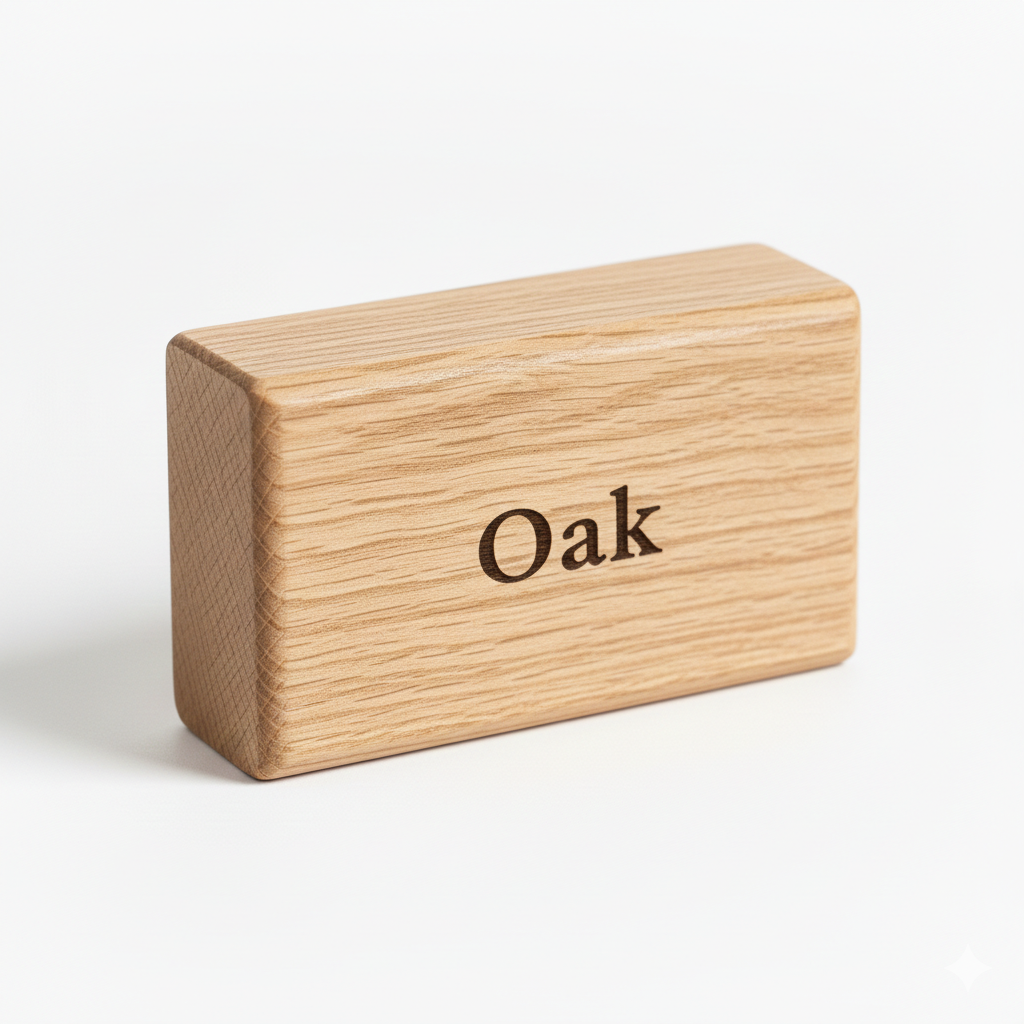
8. Oak - Best for structural and traditional carving
Oak is a strong and heavy wood often used in furniture and architectural carving. Its bold grain adds character, but also makes fine detail difficult. Oak is best for large projects where strength and durability matter more than delicate detail.
Advantages
- Extremely strong and long-lasting.
- Traditional grain adds rustic character.
- Ideal for furniture and structural carvings.
- Widely available and familiar to many carvers.
- Finished pieces can last for generations.
Downsides
- Very hard and tiring to carve by hand.
- Grain can splinter and tear easily.
- Not suitable for fine or delicate detail.
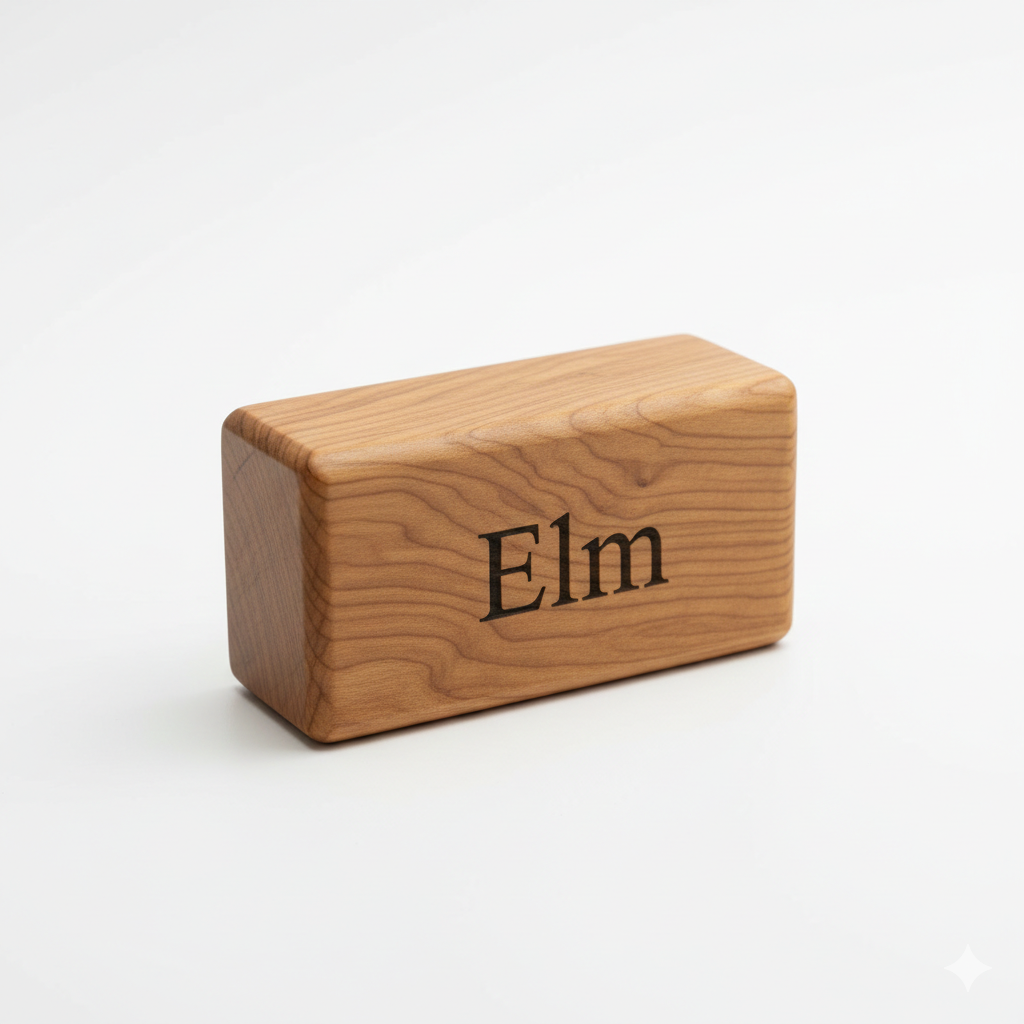
9. Elm - Best for impact-resistant carvings
Elm is tough and flexible, making it resistant to cracking and splitting. It is often used for functional or rustic carvings that need to handle stress. The grain can be unpredictable, which makes fine detail challenging, but the strength makes it useful for practical projects.
Advantages
- Resists splitting better than many hardwoods.
- Flexible and strong under stress.
- Suitable for functional or utility carvings.
- Durable over long periods of use.
- Natural grain adds rustic appeal.
Downsides
- Grain is unpredictable.
- Fine detail carving is difficult.
- Requires experience and sharp tools.
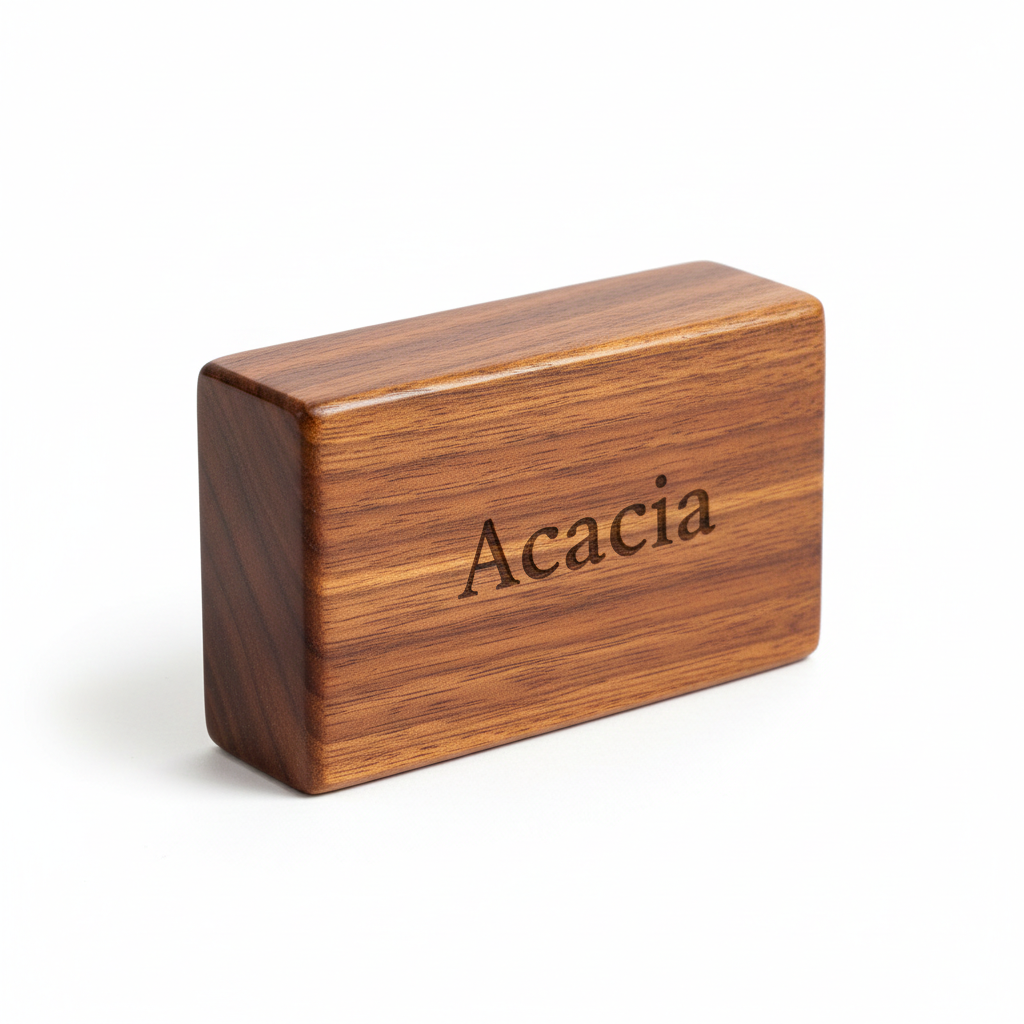
10. Acacia - Best for outdoor and durable carvings
Acacia is an extremely dense and durable wood known for its resistance to weather and wear. It is well suited for outdoor carvings or items that must last for many years. The hardness requires strength, sharp tools, and patience, making it best for experienced carvers.
Advantages
- Highly resistant to moisture and outdoor conditions.
- Extremely durable and long-lasting.
- Tight grain strengthens finished carvings.
- Resists dents, scratches, and wear.
- Ideal for outdoor or heavy-use projects.
Downsides
- Very difficult to carve by hand.
- Requires frequent tool sharpening.
- Not suitable for beginners.
Wood carving takes time, patience, and practice. Sometimes you are busy. Sometimes you need a gift quickly. Sometimes carving feels overwhelming. That is completely normal. Not everyone needs to carve everything themselves. In that case, you may want to buy a ready-made wood carving art piece or order one that meets your needs.
Shop hand-carved gifts or customize your wooden figurines
At Svn Futures , we believe wooden art should feel personal, meaningful, and lasting. Every piece we make is carved with care and attention to detail. Our goal is to help you give a gift that feels warm, thoughtful, and truly unique.
Why choose Svn Futures
- Exquisite hand-crafted quality: Every art piece is hand-carved from quality, natural wood, such as basswood and balsa. They are also hand-painted using eco-friendly pigments. Each item is naturally unique.
- Large collection of products: Choose from wooden figurines , keychains , pet figures , holiday gifts , wooden pens , human figures, and more.
- Custom wooden figurines: Create personalized pieces including wooden figurines of couples , weddings , pets , hobbies , professions, or cartoon and chibi styles .
- Durable and long-lasting: Our figurines are made to last for years, not just for one moment.
- Thoughtful shipping: Orders are processed within one to two business days with transparent pricing and no hidden fees.
- Reliable support: We value long-term trust and offer refunds or replacements for quality issues.
- Learning resources: Our blog section shares tutorials on carving techniques, poses, clothing layers, and depth control.
FAQ
What is the rule of three in carving?
The rule of three is a design principle used to make carvings visually appealing. Objects grouped in threes naturally balance the eye and create rhythm. For example, when carving a small set of figurines, arranging three characters together gives a pleasing composition. At Svn Futures , our artists follow this principle to make designs look harmonious and engaging.
How do I prepare wood for carving?
Before carving, the wood should be dry and free from knots or cracks. Light sanding removes rough spots and helps the knife glide smoothly. Also, remember to cut the wood into blocks of easily manageable sizes so carving feels safer and more comfortable. If you are a beginner, Svn Futures s has many blogs that offer practical wood carving tutorials. Check them out to learn all the ins and outs of sculpting using wood.
Is pine good for wood carving?
Yes. Pine is soft and easy to carve. This makes it okay for beginners, but it contains resin and knots that can affect clean cuts. For smoother carving, consider basswood or poplar, which are easier to shape and finish. At Svn Futures , we recommend pine only for practice or rustic projects.
Which type of wood is commonly used for carving sculptures?
For sculptures, carvers often use basswood, cherry, walnut, or maple. Basswood is great for beginners, while cherry and walnut allow fine details. Maple is preferred for high-end precision work. Both basswood and balsa work best for detailed custom figurines and that is why we use them for most of our products at Svn Futures . They are easy to achieve smooth shapes and long-lasting results.
Is balsa wood good for carving?
Yes. Balsa is excellent for practice and lightweight projects. It is very soft and easy to shape, so beginners can learn tool control quickly. However, it is fragile and not suitable for long-lasting gifts. Svn Futures uses balsa in small custom projects that are meant to be painted or decorated.
Should I use hard or soft wood for carving?
It depends on skill and project goals. Beginners should start with soft woods like basswood, balsa, or poplar. Hard woods like cherry, walnut, or acacia are for detailed or professional work. Svn Futures uses a mix of both hard and soft wood. It depends on whether a piece is for a beginner display figurine or a long-lasting custom gift.
What are the worst wood types to use for carving?
Avoid woods with very irregular grain, excessive resin, or large knots, such as knotty pine, cedar with resin pockets, or very old oak. These can split, tear, or produce unpredictable results. For predictable carving, Svn Futures sticks to basswood, cherry, walnut, and balsa, depending on the project.
Should I use green or dried wood for carving?
Green wood is freshly cut, soft, and easier to carve, but it can warp as it dries. Dried wood is more stable and holds its shape long-term, but is harder to carve. The choice really depends on your skill level, project type, and wood availability. If you want to learn more about green and dried wood, check out Svn Futures . We have a blog section with helpful guides and tutorials on wood carving.
Conclusion
Choosing the right wood makes carving easier, faster, and more satisfying. Beginners start with soft woods like basswood or balsa. Intermediate carvers use alder, cherry, or walnut for detail. Professionals prefer maple, oak, elm, or acacia for durability and precision. If carving feels too difficult or you need a gift quickly, Svn Futures offers hand-carved and custom figurines. Each piece is unique, durable, and full of personality. Explore our collection and create a lasting memory with a hand-crafted wooden gift today.


